VIP Know-How

1:How do VIPs work?

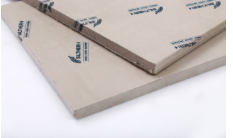
In all standard insulation materials, a large percentage of their volume consists of cavities full with air surrounded by thin walls of plastic or fibers. These thin walls are very poor thermal conductors, therefore most of the heat flow through standard insulations results from air molecules trapped inside the cavities. Vacuum insulation panels are constructed from a rigid and porous core material that is encapsulated in a barrier film envelope, evacuated, and then sealed. The evacuation process makes the number of air molecules inside the VIPs 100,000 to 1,000,000 times smaller. This is why vacuum insulation panels are such excellent thermal insulators.


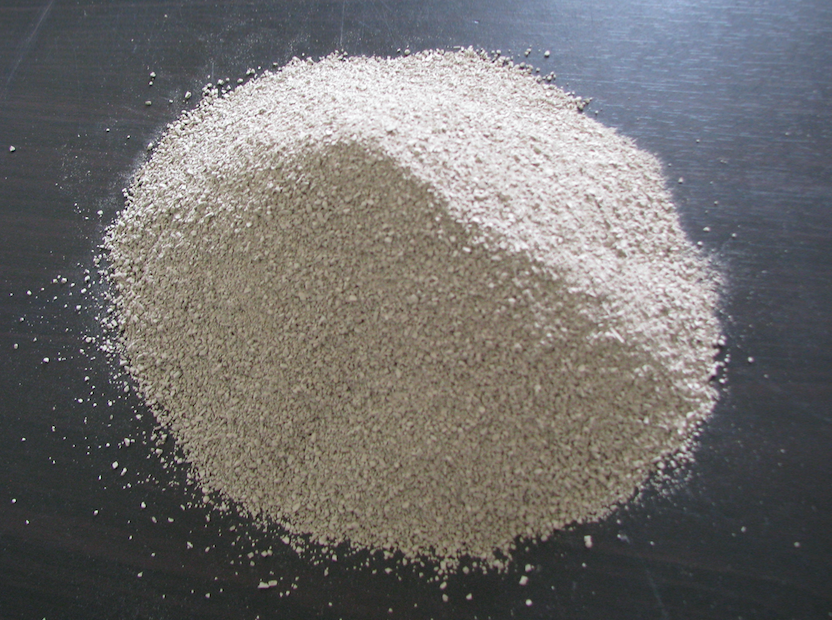
In addition, all core materials of vacuum panels contain extremely small pores that trap inside them the remaining gas molecules, and further reduce the heat flow process through the panel. All core materials, silica powder (fumed or precipitated), fiberglass, and open cell rigid polymeric foams (polyurethane, polystyrene), also contain opecifying agents that eliminate heat conductance by thermal radiation (Infra Red).


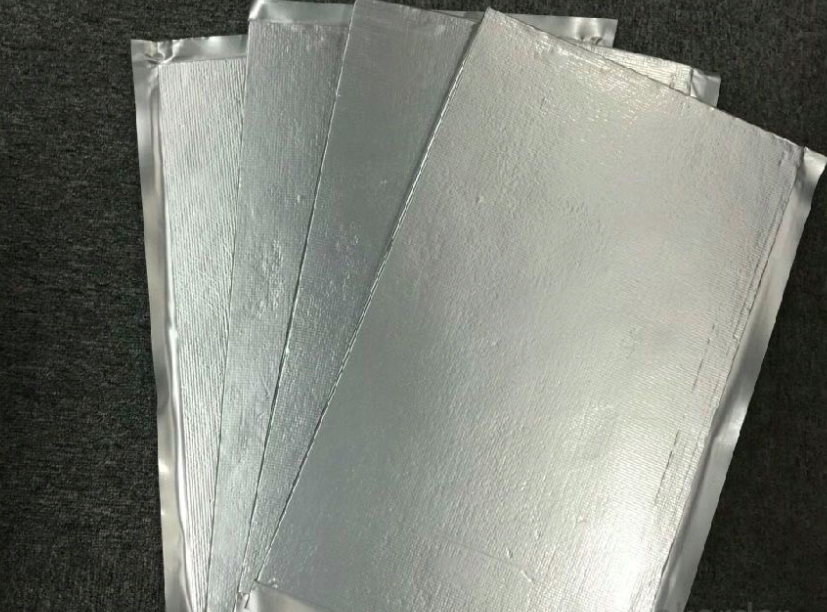
Often getters or desiccants are inserted to absorb gases and moisture that slowly permeate through the envelope and degrade the vacuum. The lower the pressure inside the panel, the better its insulation performance. Therefore it is extremely important to keep the permeation rate of atmospheric gases into the VIPs as low as possible. The lifetime and performance of the VIP depend on the quality of the barrier properties of the laminate that is used for the envelope.


The insulation performance of VIPs degrades in time due to permeation of molecules of atmospheric gases through the envelope. Although the amount of nitrogen and oxygen in the atmosphere is much higher than moisture molecules, the flux of water molecules through metallized laminates into the evacuated area is 10,000-100,000 faster, especially at elevated temperatures and high humidity. Moisture is the worst enemy of the VIPs, but it is easier to fight against by using relatively inexpensive desiccants. The lifetime and performance of the VIP depend on the quality of the barrier properties of the laminate that is used for the envelope.


2:Use of VIP – Recommendations

VIP is more than a new material – it must rather be regarded as a system, one of consider-able complexity and sensitivity. It is therefore important that all concerned be informed, advised as early as possible and be supported by a specialist during the entire planning and installation process (preferably by the VIP supplier). In whatever way VIP are used in the construction branch, those responsible should make sure that during the planning and building process, no one handles VIP without having sufficient knowledge of its properties.


VIP must be handled with care and suitable protective measures and tools employed (protective mats, felt shoes, etc.). In addition, the most important recommendations for handling VIP both in the factory on fabrication of components and systems, and also for direct installation on site:


In order to minimize the edge effects of the VIP:

·Select panels that are as square and large as possible.
·If the envelope of the panel is made of aluminium foil (only rarely nowadays),
lay the panels in a double layer, overlapping by at least 5 cm.
·VIP must be well protected from mechanical damage. This applies equally to functional loading (e.g. from the floor), inadvertent loading (e.g. dilatation) and subsequent manipulations (e.g. nailing).
·VIP are vapour-tight insulation systems, which has to be taken into account in planning the order and thickness of the layers. Furthermore, special attention must be given to the joints between the panels.
·The joints and edges are usually sealed with a special adhesive aluminium tape, which assures tightness but is relatively brittle.


The possibility of individual panels or entire areas failing should - at least to date - be included as a risk in the planning and execution. A strategy would be desirable that would aim at being able to replace the VIP in case of failure. This implies two things that in our experience to date are not usually paid attention to:


1: The VIP should be embedded in the construction such that they can be replaced without undue effort in preparation or as a result (e.g. mechanically fixed covers). 2: Installation of the VIP in such a way that inspection of their correct functioning can be made, particularly with infrared thermography. As a rule this is impossible if on both sides, either well conducting, massive covers (e.g. concrete) or back-ventilated constructions are employed (provided that the latter cannot be removed relatively simply for checking the VIP).


As a rule, one has limited oneself up to now to mitigating the effects of failure, so that a deterioration in the U-value can be accepted and it is assured that on loss of vacuum, there is no risk of loss of comfort or of condensation

COPYRIGHT 2011 BY HUINENGHUANBAO CO.,LTD.ALL RIGHTS RESERVED
YUE ICP NO.050011868 microporous insulation ¡¢high temperature insulation
keywords:microporous insulation_high temperature insulation